

Underwire Teddy Fit Tips for Comfort and Flattering Shape
Updated on: 2026-09-21
If you enjoy a supportive lingerie look, an underwire teddy can be a thoughtful choice. It blends the classic teddy style with a structured underwire feel that many people find comfortable and flattering. In this guide, you will learn what makes this garment different, how to choose the right fit, and how to care for it so it stays looking its best. You will also find practical styling ideas for day, evening, and special occasions.
Table of Contents
What Is an Underwire Teddy?
Pros & Cons of Underwire Teddy Styles
How to Choose the Right Fit
Step-by-Step Practical Guide
Wrap-Up
Q&A
What Is an Underwire Teddy?
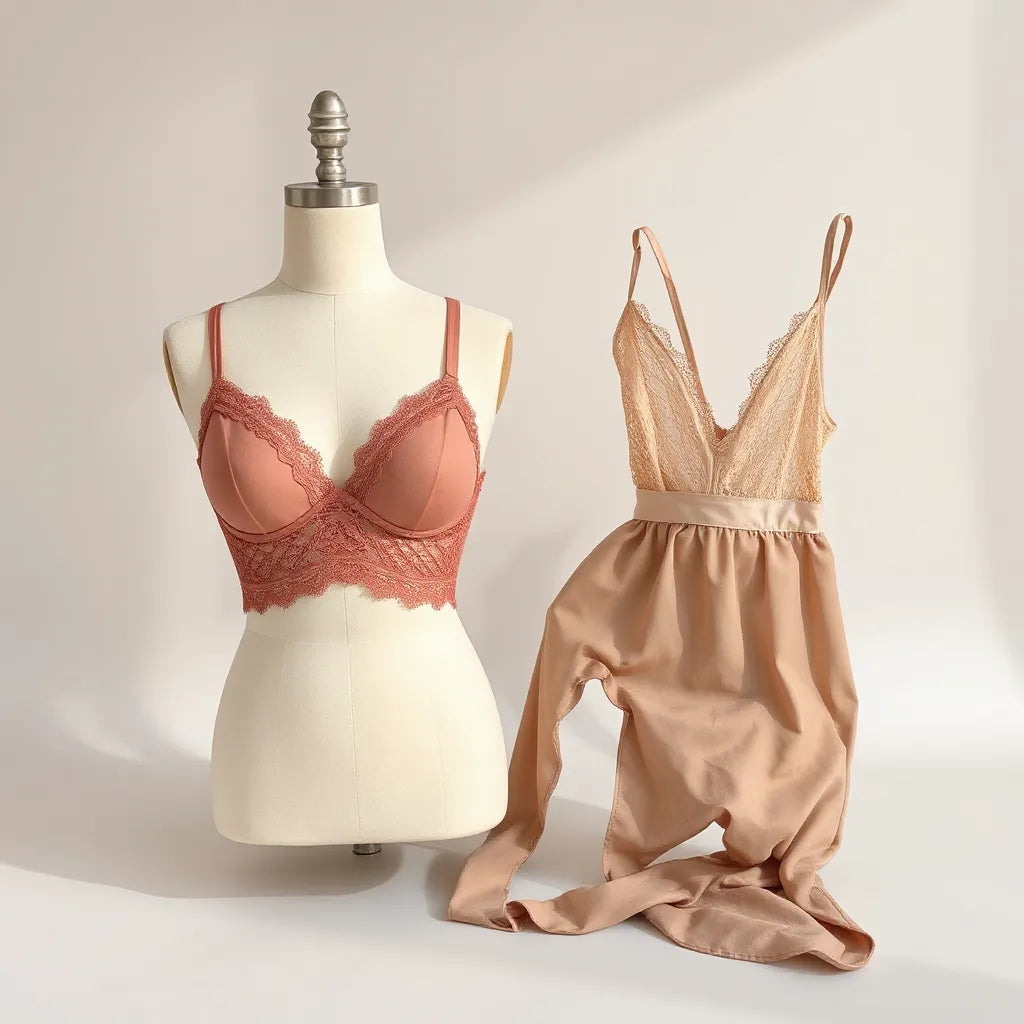
An underwire teddy is a one-piece lingerie style that typically combines a teddy silhouette with an underwire structure across the bust. The goal is to add shape and gentle definition while keeping the overall look smooth and streamlined.
Compared with soft cups, the underwire often helps create a more structured line. Compared with some bras or corset-like pieces, the teddy style usually feels lighter and simpler because it is one garment instead of multiple layers. Many people choose it when they want a polished appearance without moving away from everyday comfort priorities.
While exact construction can vary by brand, you may commonly see adjustable straps, a closure at the back, and stretch lace or fabric panels. If you are new to this category, you can think of it as a blend of lingerie aesthetics and supportive design.

Diagram of bust support and smooth silhouette lines
Pros & Cons of Underwire Teddy Styles
Every body and preference is different, so it can help to review both advantages and trade-offs. Below is a balanced view to support an informed choice.
- Support with a defined shape: The underwire can add structure to the bust area and help the garment hold its intended form.
- Streamlined one-piece look: A teddy style can reduce visual bulk compared with layering separate pieces.
- Elevated styling potential: Lace, mesh, and decorative details often make this look suitable for dressier evenings.
- Adjustable comfort options: Many styles include strap adjustments to help you fine-tune the fit.
- Less forgiving sizing: Because of the underwire, sizing matters more than with fully soft styles.
- Potential for shifting: If the straps or band do not fit well, the underwire may sit higher or lower than expected.
- Care requirements: To keep fabric and structure in good condition, gentle washing habits are usually best.
Overall, an underwire teddy can be a great match when you value both shape and a one-piece silhouette. It may be less ideal if you prefer a completely soft, wire-free feel.
How to Choose the Right Fit
Choosing the right size is often the difference between lingerie that feels effortless and lingerie that feels distracting. Even if two pieces share the same size label, the cut can differ. For best results, focus on fit signals like bust coverage, strap tension, and how the underwire sits.
1) Start with your bust and under-bust measurements
Underwire styles rely on correct measurements. If your under-bust measurement falls between sizes, you may prefer a snug fit at the base with comfortable strap adjustments. When the underwire aligns properly, it usually helps the piece feel stable.
2) Check cup coverage and strap comfort
When you try it on, look for a few signs: the fabric should cover without gaping, straps should not dig deeply, and the underwire should not press painfully into the skin. Minor adjustments are normal, especially if the garment is new and the fabric is settling.
3) Look at the back closure and band stability
A teddy often has a back closure or a supportive band area. If it slides or feels loose, the underwire may not line up as intended. If it feels too tight, you may notice discomfort after a short period. A balanced fit helps the garment maintain its shape.
4) Consider fabric stretch
Stretch lace and soft mesh can adapt, while firmer structured fabrics may hold shape more rigidly. If you like flexibility, prioritize styles with good stretch. If you like a more sculpted feel, choose a style with stronger structure.

Fit checklist icons: straps, underwire line, back stability
Step-by-Step Practical Guide
If you want a smoother buying and wearing experience, this step-by-step routine can help. It is gentle, practical, and designed for everyday decision-making.
Step 1: Read the size guidance carefully
Before ordering, take a moment to review the brand’s size chart and any notes about fit. Underwire lingerie can vary from brand to brand. If the chart provides bust and under-bust ranges, use them as a starting point, not as an absolute guarantee.
Step 2: Choose your preferred support level
Some people enjoy firm underwire structure. Others want moderate support that still feels soft. If you are unsure, consider a style with adjustable straps and a closure that allows slight tuning.
Step 3: Try it on with a quick comfort check
When you first wear the underwire teddy, do a short check:
- Lift your arms gently to see how straps respond.
- Look in a mirror for any visible gapping at the bust.
- Notice whether the underwire feels aligned or too high.
- Assess whether the back closure stays comfortable as you move.
Step 4: Adjust straps before you judge the fit
A teddy often feels different after strap adjustment. If it feels uneven, try tightening or loosening straps gradually. Aim for support without pinching.
Step 5: Style it in ways that match your mood
You can wear an underwire teddy for different occasions. Many people use it as a base layer under outerwear for a smooth silhouette. Others pair it with a robe or cardigan for a cozy-to-polished transition. If you enjoy a more daring look, you may add complementary lingerie pieces like stockings or a matching set.
If you are browsing and would like to explore lingerie styles in a similar category, you can consider these collections:
- Explore lingerie collections
- Browse lace teddy styles
- Shop coordinated lingerie sets
- Read guidance by body shape and mood
Step 6: Care for the fabric and structure
Proper care helps underwire pieces keep their shape. A gentle wash routine is usually a safer approach than high heat or harsh cycles. Consider using a laundry bag and air drying when possible, especially for lace and mesh.
After washing, store it flat or in a way that helps the garment keep its structure. If you use a hanger, choose a method that does not distort the cups. Small habits can extend the life of delicate fabrics.
Step 7: Know when to size up or adjust
Sometimes the issue is not the overall size; it is strap positioning, closure tension, or fabric stretch. If the underwire feels too tight or uncomfortable, do not force it. Instead, revisit the measurements and consider whether a nearby size or different cut may be a better match.
Wrap-Up
An underwire teddy can offer a supportive, shaped look while still maintaining a one-piece lingerie silhouette. With the right size, strap adjustments, and gentle care, it can become an easy favorite for evenings, special moments, or anytime you want a more polished feel.
If you are ready to explore styles, you may find it helpful to browse lingerie collections and teddy-focused options, then compare fit details like strap adjustability, closure design, and fabric stretch. When your underwire sits comfortably and your straps feel balanced, the garment often looks as good as it feels.
Thank you for reading. If you would like to keep building confidence in your lingerie wardrobe, you can also review practical guides for fit and styling, and then choose pieces that align with your comfort preferences.
Q&A
How tight should an underwire teddy feel?
It usually should feel supportive rather than overly tight. The underwire should align with the under-bust area comfortably, and straps should hold the piece in place without digging. If you notice pinching, sharp discomfort, or frequent shifting, it may help to adjust straps, check sizing, or try a different cut.
Is an underwire teddy good for everyday comfort?
Many people find this style comfortable, especially when the fit is correct and the fabrics are soft. If you are sensitive to structured elements, you might prefer a lighter design or a style with more flexible stretch. A short comfort check during the first wear can help you decide whether it suits your routine.
What should I look for when buying online?
When shopping online, review the size chart, pay attention to strap adjustability, and look for fabric descriptions that match your comfort needs. If the product page includes guidance on fit or materials, it can be useful. If you are between sizes, consider which area matters most to you: bust coverage, under-bust stability, or strap comfort.
How do I care for an underwire teddy to keep its shape?
Gentle washing and careful drying practices typically help. Using a laundry bag can reduce friction, and air drying can help preserve lace and mesh. Store the garment in a way that supports the cups and avoids unnecessary stretching. With simple care habits, the structure and look often last longer.
Disclaimer: This article is for general informational purposes only and does not replace professional advice. Fit can vary by brand and personal preference, so please review sizing details on product pages and prioritize comfort when choosing lingerie.

The content in this blog post is intended for general information purposes only. It should not be considered as professional, medical, or legal advice. For specific guidance related to your situation, please consult a qualified professional. The store does not assume responsibility for any decisions made based on this information.

Comments