

The Ultimate Guide to Swimsuit Cover Ups for Every Body
Updated on: March 26, 2026
A swimsuit cover up is an essential beach accessory that provides comfort, style, and sun protection when you're not in the water. Whether you prefer lightweight fabrics, trendy designs, or versatile pieces, choosing the right cover up can elevate your beach experience. This guide explores different styles, materials, and practical tips to help you find the perfect option for your needs.
Table of Contents
- Why a Swimsuit Cover Up Matters
- Popular Styles and Designs
- Materials and Fabrics
- Did You Know?
- Expert Tips
- A Day at the Beach
- Frequently Asked Questions
- Summary and Takeaways
Why a Swimsuit Cover Up Matters
A swimsuit cover up serves multiple purposes beyond just looking stylish. When you step out of the water, your skin becomes vulnerable to sun exposure and temperature changes. A good cover up protects your shoulders, back, and other exposed areas while allowing your skin to dry gently. Beyond protection, these versatile pieces transition beautifully from beach to casual dining, making them practical for any coastal getaway.
Many people underestimate how important sun protection is during beach days. Even when you're sitting under an umbrella, ultraviolet rays can reflect off sand and water. Wearing a lightweight cover up creates an additional barrier against harmful UV rays. Additionally, when you're not actively swimming, staying covered helps maintain your body temperature and prevents uncomfortable chills, especially during windy beach conditions.
The aesthetic appeal of a quality swimsuit cover up cannot be overlooked either. These pieces allow you to express your personal style and coordinate with your beachwear collection. Whether you prefer minimalist designs or bold patterns, there's a cover up to match your fashion preferences and beach personality.

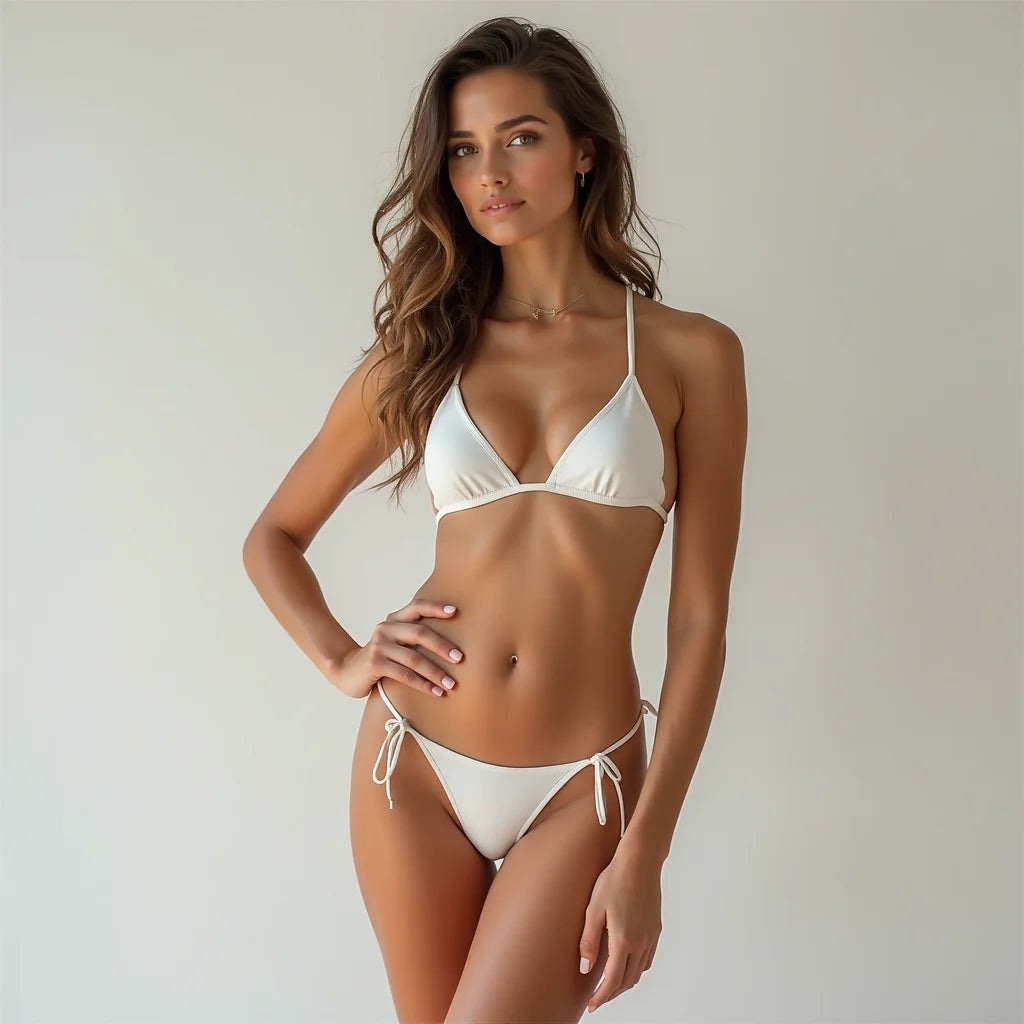
Woman in lightweight fabric relaxing by ocean with sun protection and casual beach style
Popular Styles and Designs
The market offers wonderful variety when it comes to swimsuit cover ups. Lightweight kaftans are among the most popular choices, offering loose, comfortable fits that work beautifully over any swimsuit style. These flowing garments provide excellent sun protection while maintaining breathability in warm weather. Many kaftans feature vibrant prints and patterns that reflect current beach fashion trends.
Sheer sarongs represent another timeless option that offers elegance and versatility. These wraps can be styled in multiple ways—tied at the waist, draped over shoulders, or worn as a traditional wrap skirt. Sarongs work particularly well for travelers since they pack compactly and serve multiple purposes throughout your trip. You can wear them as beach cover ups, over regular clothing, or even as casual evening wear.
Crochet and mesh styles have gained tremendous popularity in recent years. These breathable options provide coverage while allowing air circulation, making them ideal for hot climates. The intricate patterns create beautiful visual interest and sophisticated looks. Many fashion-forward beach enthusiasts appreciate crochet designs because they're lightweight, quick-drying, and universally flattering.
Button-up shirts and lightweight jackets offer a more casual approach to beach coverage. These pieces transition seamlessly from beach to street and can be styled with various outfits. Linen shirts, in particular, provide excellent breathability and a relaxed aesthetic that's perfect for coastal environments.
For those seeking elegant sheer cover ups and robes, there are countless sophisticated options available. These pieces often feature delicate details and refined fabrics that elevate any beach ensemble.
Materials and Fabrics to Consider
Selecting the right material is crucial for comfort and longevity. Cotton is a natural choice for beach cover ups because it's soft, breathable, and easy to maintain. Pure cotton fabrics absorb moisture quickly and provide reliable sun protection. However, cotton can wrinkle easily and may take longer to dry completely.
Linen offers superior breathability and creates an effortlessly elegant look. This natural fiber becomes softer with each wash and develops a beautiful, lived-in texture over time. Linen's relaxed appearance makes it perfect for casual beach settings, though it does wrinkle naturally—many consider this part of linen's charm.
Rayon blends combine softness with quick-drying properties. These synthetic fabrics often drape beautifully and resist wrinkling, making them practical for travel. Rayon's silky feel provides comfort against the skin, though quality can vary between brands and manufacturers.
Polyester and nylon are popular for their durability and resistance to fading. These synthetic materials dry exceptionally fast and hold their shape well. They're also generally more affordable than natural fibers, making them accessible options for budget-conscious shoppers.
Mesh and crochet fabrics, typically made from cotton or synthetic blends, offer unique aesthetic appeal. These breathable options are perfect for layering over swimsuits and create interesting visual textures. They're lightweight and ideal for warm climates where maximum ventilation is desired.

Variety of beach fabrics including linen, cotton, mesh, and crochet textures displayed together
Did You Know?
- The average person spends about four hours per week at the beach during summer months, making proper cover up selection important for regular beach visitors
- Ultraviolet rays can penetrate light fabrics, so darker colors and tighter weaves provide better sun protection than white or very light shades
- Quick-drying fabrics can reduce your beach time by up to 30 percent compared to traditional cotton covers
- Crochet and mesh cover ups became mainstream fashion in the early 2000s and remain trendy today
- Some travelers wear cover ups under their regular clothing to protect swimsuits during travel and reduce drying time between beach visits
- The term "sarong" originates from Southeast Asian cultures and represents centuries of beach fashion evolution
Expert Tips for Choosing Your Perfect Cover Up
- Prioritize comfort first—if your cover up doesn't feel good against your skin, you won't wear it regularly regardless of appearance
- Consider your climate—lightweight, breathable fabrics work best in hot, humid environments, while slightly heavier materials suit cooler coastal regions
- Choose neutral colors as basics that pair with multiple swimsuits, then add colorful pieces for fun, trend-forward looks
- Invest in quality pieces that withstand frequent washing and sun exposure—better fabrics resist fading and maintain shape longer
- Try on different styles to determine what flatters your body shape and makes you feel confident and comfortable
- Look for sun-protective fabrics labeled with UPF ratings for maximum ultraviolet protection during extended beach time
- Keep multiple cover ups in your collection to allow for proper drying and rotation throughout your summer season
A Day at the Beach: Finding My Perfect Cover Up
I'll never forget the summer I realized how much the right swimsuit cover up could transform my beach experience. For years, I'd simply thrown on an old t-shirt when I wasn't swimming, uncomfortable and self-conscious about how it clung to my damp skin. Everything changed when a friend suggested I try a lightweight linen kaftan.
Walking into the shop, I was overwhelmed by options. But when I tried on that first linen cover up—a simple cream-colored piece with delicate embroidery—something clicked. It felt soft against my skin, moved beautifully when I walked, and most importantly, I felt genuinely comfortable and stylish. It dried quickly after I dipped into the water and transitioned perfectly from beach to the seaside café where we grabbed lunch.
That single purchase sparked a journey of beach fashion discovery. I've since added various styles to my collection, each serving different purposes and moods. Now, choosing a cover up is one of my favorite parts of beach planning. I've learned that the right piece can genuinely enhance your entire beach experience, not just protect your skin.
Frequently Asked Questions
What is the best material for a swimsuit cover up in hot climates?
Lightweight, breathable fabrics like cotton, linen, and mesh are ideal for hot climates. These materials allow air circulation and prevent overheating while still providing adequate sun protection. Crochet and sheer designs are particularly popular because they offer coverage without heaviness, making them comfortable even in intense heat.
How do I care for and maintain my cover up to ensure it lasts longer?
Always rinse your cover up with fresh water immediately after beach exposure to remove salt and sand. Wash in cold water with mild detergent to prevent fading and fabric damage. Air-dry whenever possible rather than using high heat, which can damage delicate fibers. Follow specific care instructions on garment tags, as different materials have unique requirements for longevity.
Can a swimsuit cover up provide adequate sun protection, or should I use sunscreen as well?
While cover ups offer additional protection, dermatologists recommend using both. A cover up blocks some ultraviolet rays, but lighter fabrics and loose weaves allow some rays through. Apply broad-spectrum sunscreen with at least SPF 30 to exposed areas, including your face, neck, and the tops of your feet. Consider cover ups with UPF ratings for enhanced protection.
What style of cover up works best for different body types?
Kaftans and loose-fitting styles flatter most body types by providing comfortable coverage without clinging to the body. Sarongs and wraps offer adjustability, allowing you to customize the fit. For petite frames, shorter styles prevent overwhelming proportions. Taller individuals might prefer longer kaftans or sarongs. Ultimately, choose styles that make you feel confident and comfortable.
Are expensive cover ups worth the investment?
Higher-quality cover ups often use better fabrics that last longer, resist fading, and maintain their shape through frequent washing. They're typically more comfortable and provide better sun protection. However, affordable options can be perfectly adequate if you take proper care of them. Consider how frequently you'll wear the piece and whether durability matters for your lifestyle before deciding on budget.
Summary and Takeaways
A swimsuit cover up is far more than a fashion accessory—it's a practical investment in your beach comfort and skin health. Whether you choose flowing kaftans, elegant sarongs, or practical lightweight dresses and cover ups, selecting the right piece enhances your entire beach experience.
When shopping for your perfect cover up, consider your climate, personal style preferences, and how frequently you'll wear the piece. Prioritize breathable, quick-drying fabrics that feel comfortable against your skin. Invest in quality materials that withstand regular use and maintain their appearance season after season.
Remember that the best cover up is one you'll actually wear. It should make you feel confident, comfortable, and stylish whether you're lounging on the sand or transitioning to casual beach dining. With so many beautiful options available, you're sure to find pieces that perfectly match your beach personality and lifestyle needs.
Building a collection of versatile cover ups allows you to adapt to different occasions, seasons, and moods. Start with neutral basics that pair with multiple swimsuits, then gradually add colorful and patterned pieces that reflect current trends and your personal aesthetic.
As you prepare for your next beach adventure, take time to explore different styles and materials. Try on various options to discover what makes you feel most like yourself. Your beach experience will be noticeably enhanced when you're wearing a cover up that provides comfort, protection, and style in equal measure.

Comentarios